Use Cases & Operational Fit

Use cases where field teams, supervisors, and control rooms need one clearer way to operate.

Clear comms. Live control. One operation.

Secure Radio fits operations where missed calls, fragmented chat groups, and thin app-based voice tools create confusion between the field, the supervisor, and the wider operation.

Operational Environments

The strongest fit is where field movement, public pressure, and supervision are all real.

Secure Radio is not a generic desk tool. It is built for teams moving through venues, campuses, leisure attractions, transport hubs, and night-time environments where communication has to stay calm.

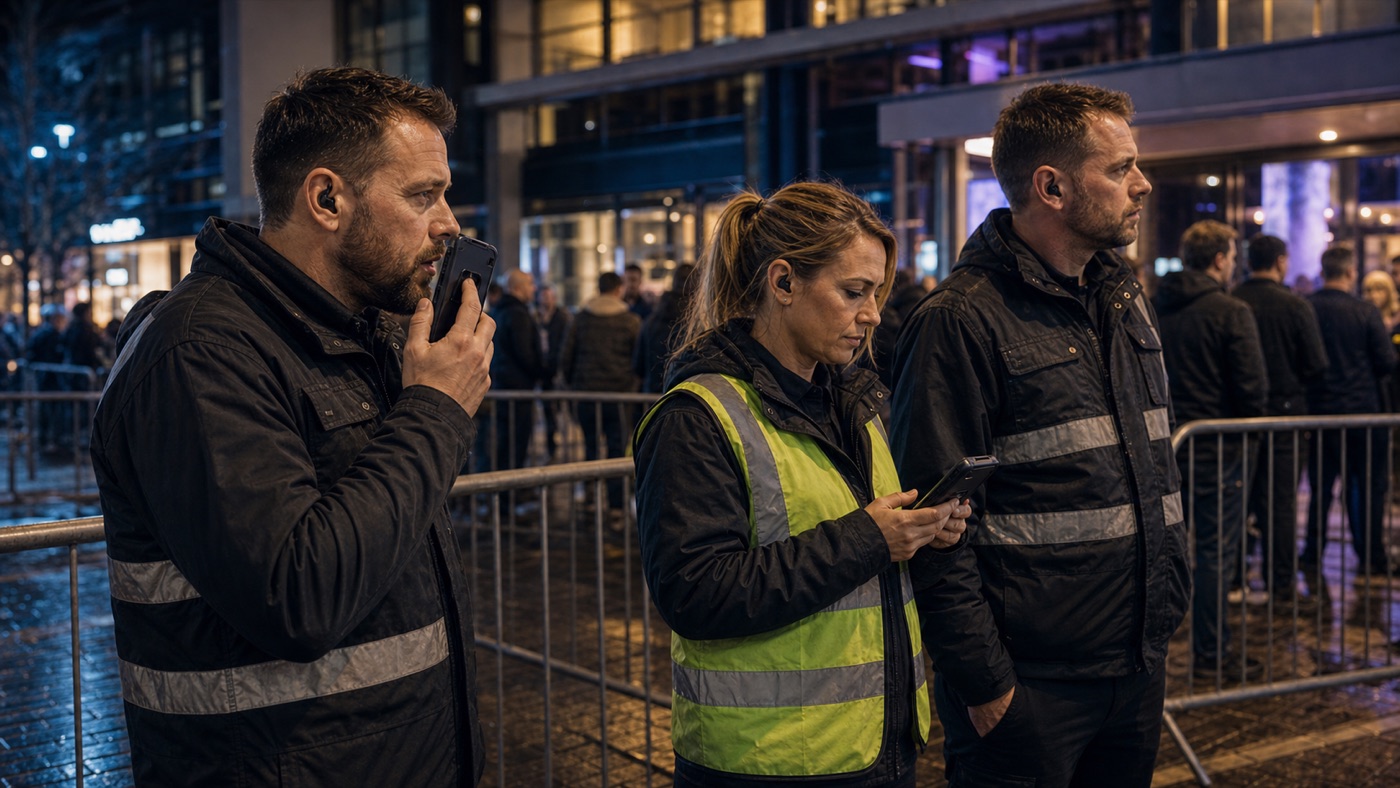
Venue operations team coordinating at a busy entrance with rugged PoC handsets
Security & Nightlife

For door teams, patrols, response teams, and late-night supervisors

Useful where fast talk, private escalation, and live supervision matter more than another message group.
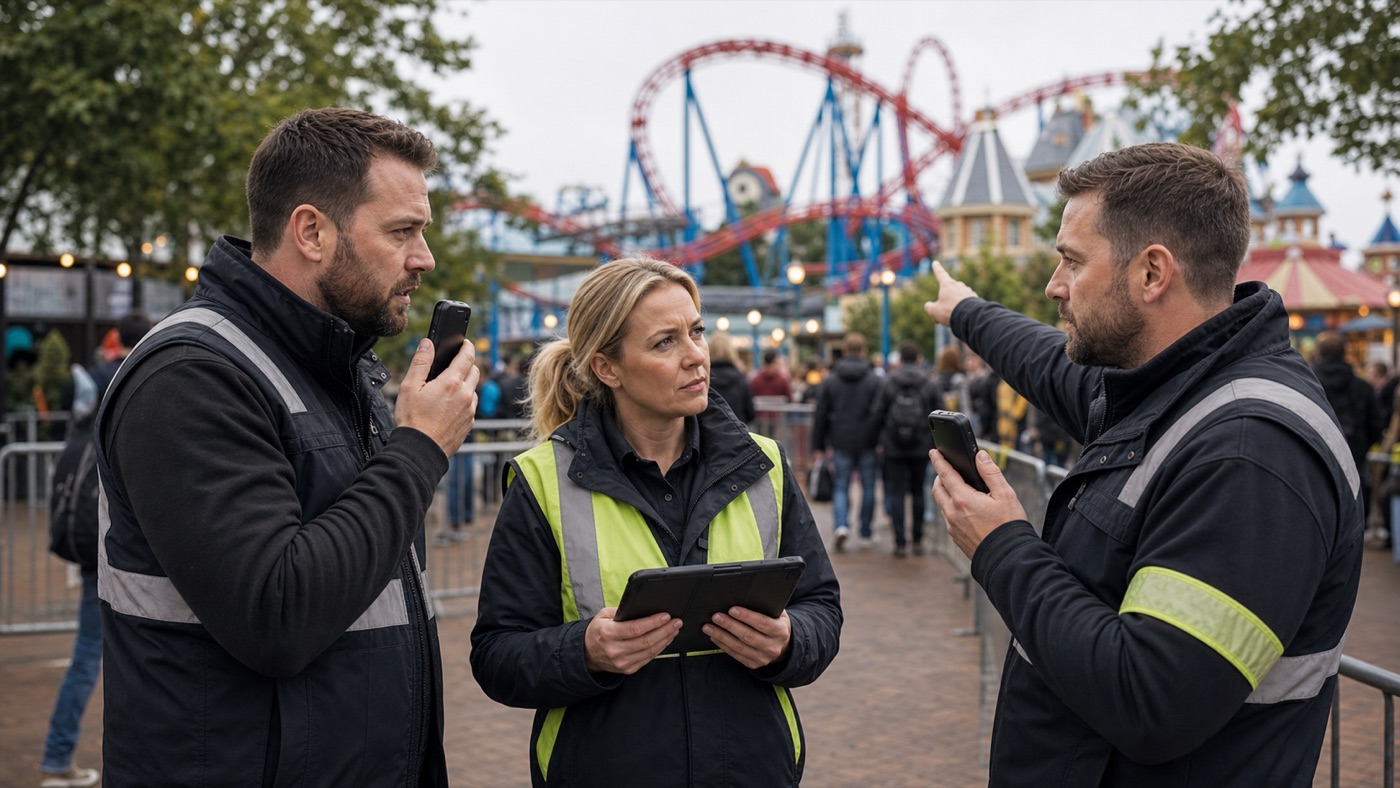
Theme park operations team coordinating guest flow with rugged PoC handsets
Theme Parks & Leisure

For attractions, queue operations, ride support, and guest-flow teams

Helpful where teams need to coordinate guest-facing work without turning every update into noise.
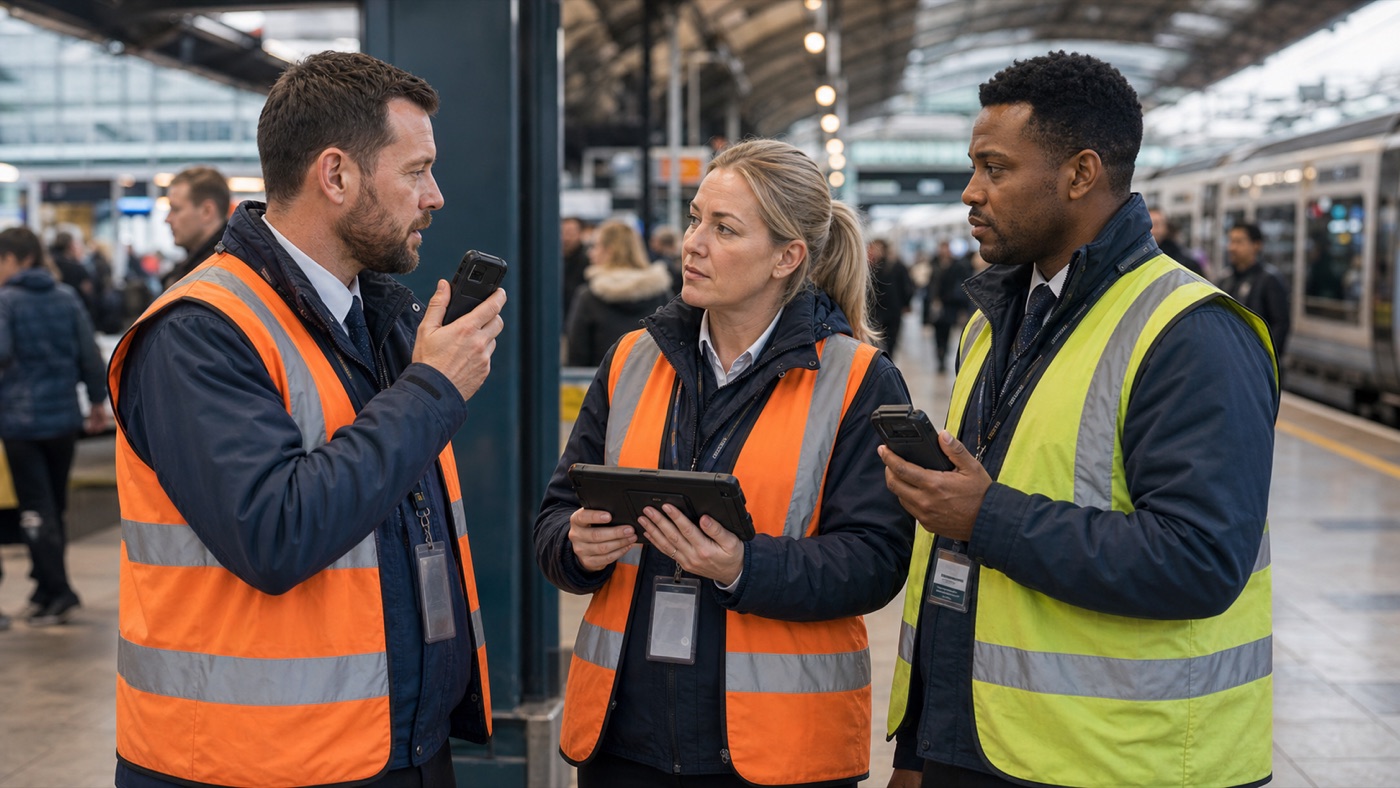
Rail station operations team coordinating in a busy transport environment
Rail & Stations

For station teams, concourse supervisors, and mobile support roles

Strong fit where field contact, dispatch visibility, and controlled escalation have to coexist.
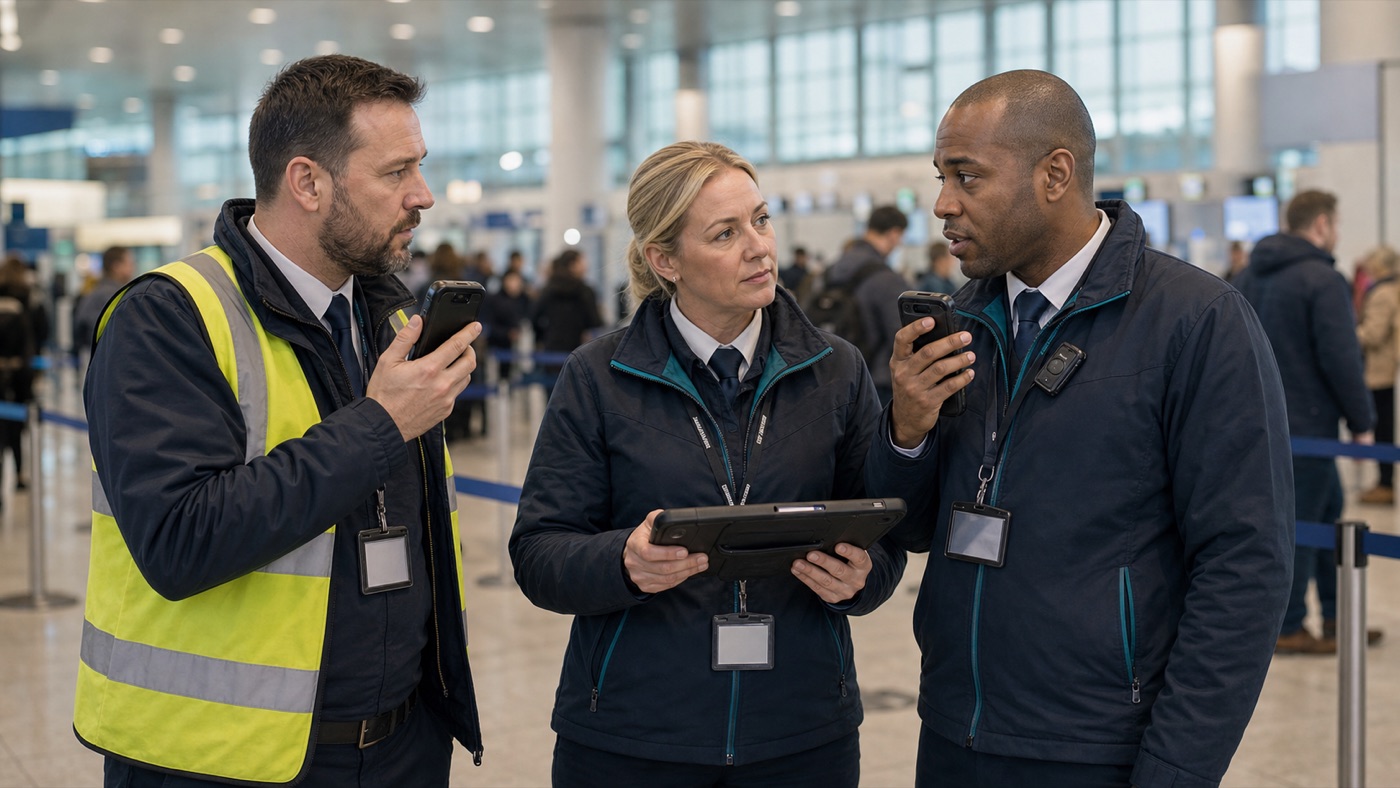
Airport operations team coordinating in a terminal with rugged PoC handsets
Airports & Hubs

For landside, facilities, queues, duty managers, and terminal operations

Useful where busy public spaces need calm command, fast team contact, and structured oversight.
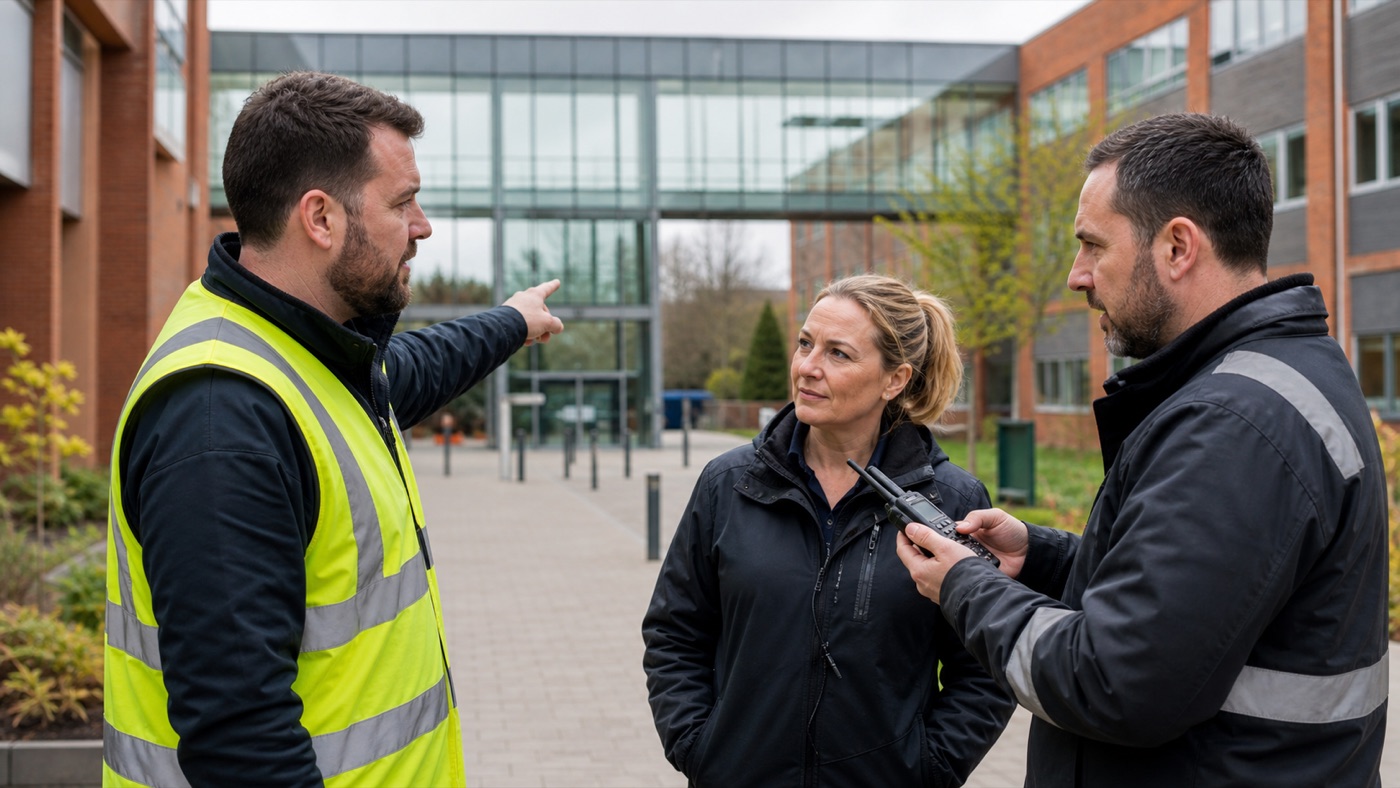
Campus facilities team coordinating across a modern site with compact PoC devices
Facilities & Campuses

For mobile site teams spread across buildings and grounds

Helpful where duty managers, estates teams, and site staff need a cleaner route from field update to action.
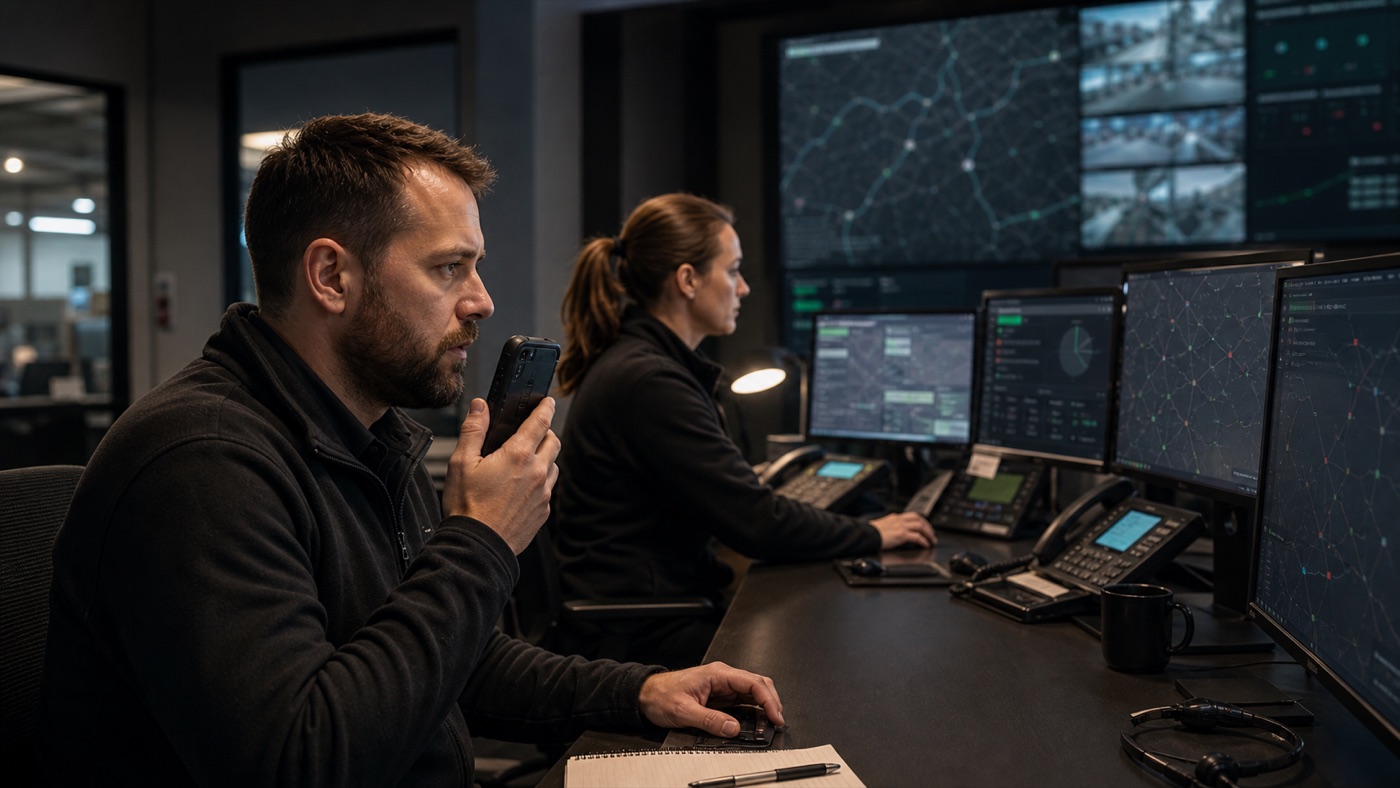
Control room operators coordinating a live operation with rugged PoC handsets
Control Rooms

For supervisors who need the wider picture while the day is moving

Best fit when someone is actively coordinating roles, incidents, radio traffic, and escalation paths.

Security & Nightlife

Control rooms, supervisors, patrols, door teams, and response teams

Security teams already know voice matters. The real issue is that many are still coordinating through phone calls, WhatsApp groups, or tools that do not give supervisors and dispatchers enough control.

  • Today: calls, chat groups, or thin push-to-talk apps
  • Problem: poor incident coordination and weak role separation
  • Why ours: clearer talkgroups, stronger supervision, and optional live field video when extra eyes help
Events, Venues & Theme Parks

Stewarding, ride support, entry teams, guest flow, and event control

Event teams often rely on a mix of radios, phones, and ad hoc messaging. That works until the site gets busy, teams split by function, and control needs a cleaner picture of what is happening.

  • Today: fragmented comms across stewards, security, and control
  • Problem: noise, overlap, and slow escalation during live events
  • Why ours: one command structure across field teams, the control room, and clearer admin oversight
Estates & Facilities

Site operations, maintenance teams, and duty managers

Estates and facilities teams are often spread across buildings, sites, or campuses. They need a faster way to coordinate between mobile teams and central oversight than standard calling and messaging can provide.

  • Today: calls, texts, and scattered team messaging
  • Problem: too much manual chasing and weak operational visibility
  • Why ours: faster field-to-control coordination with stronger admin structure built in
Rail, Airports & Transport Hubs

Landside teams, concourse supervisors, facilities, and duty managers

Transport environments often involve many moving roles, high public flow, changing priorities, and supervisors who need a clearer live picture without forcing every update through one noisy channel.

  • Today: radios, calls, fragmented messaging, and local handovers
  • Problem: too much operational context disappears between field teams and supervisors
  • Why ours: role-led talkgroups, dispatch visibility, selective calling, and controlled escalation across busy environments
What The Best-Fit Teams Have In Common

The best results come when the communication problem is already obvious inside the operation.

Live Field Activity

People are moving and coordinating in real time

We are strongest where teams need to hear and respond quickly, not where communication is mostly office-based or message-led.

Supervision Matters

There is a real control, dispatch, or supervisor role

If the operation depends on someone coordinating the wider picture, Secure Radio becomes much more valuable than a basic talk app.

Governance Matters

The customer needs structure after go-live

The strongest fit is when access, role separation, named operator control, onboarding, and service quality matter after the first week, not just on demo day.

UK Rollout

Start where support can stay close to the operation.

The first focus is Greater London and the Home Counties, where support, rollout planning, and live review can stay close to the customer. If you operate elsewhere in the UK, we can still discuss fit and rollout timing.