What Operational Reliability Means For Modern Team Communications
Reliability is not a slogan. It means visible service status, monitored components, clear incident handling, and honest evaluation in the customer's own environment.
7 min readUpdated 2026-05-11Public buyer guide
Reliability has to be visible
Operational communication buyers do not only ask whether a system works in a demo. They ask whether it will still help when a team is under pressure. The answer cannot be a vague promise. It needs visible service status, clear component ownership, monitoring, incident handling, and an evaluation path that tests the customer's actual working environment.
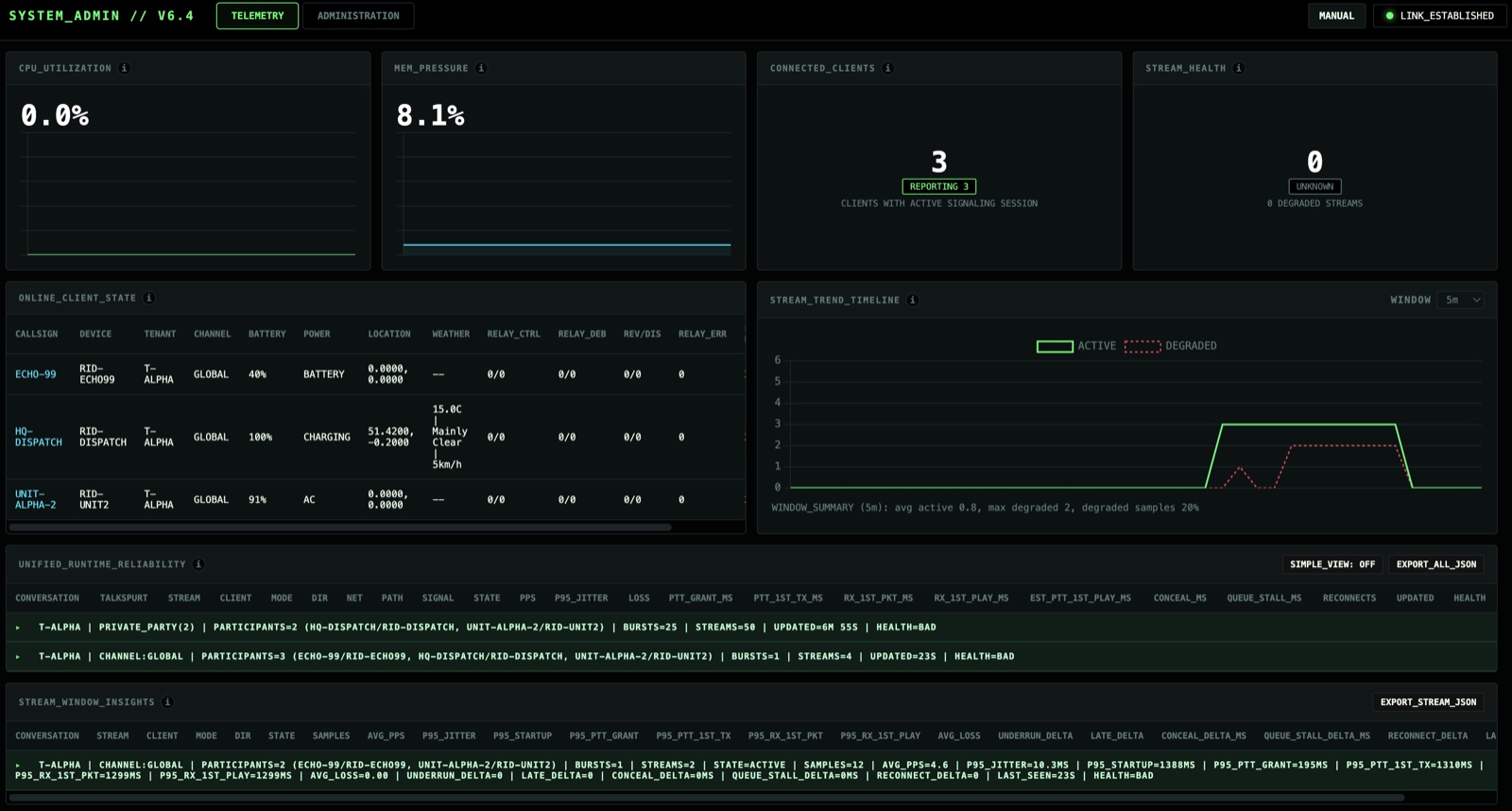
Secure Radio exposes a public service status page focused on customer-readable service state rather than internal engineering detail. The aim is to show whether the core website, product API, trial and onboarding flow, and service surfaces are operational.
The product view of reliability
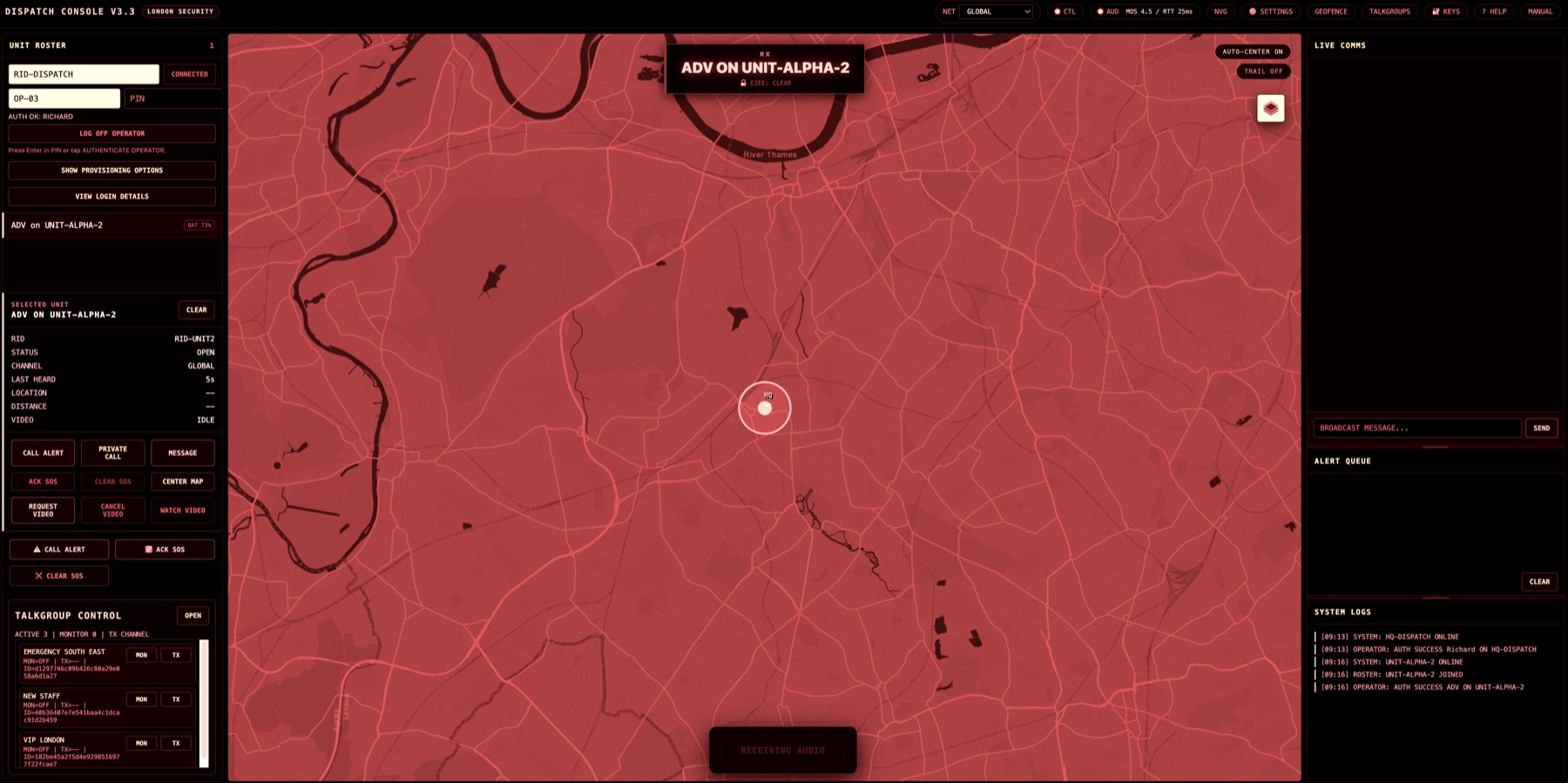
For the product, reliability means more than server uptime. The Android radio must connect and remain usable. Dispatch must have a clear session state. Operator authentication must protect access without making the workflow impossible. Trial provisioning must create the correct starter tenant. The status page and operations reports must help the team notice service issues early.
Secure Radio is still being launched carefully, so public reliability language should remain honest. The platform can describe what is monitored and how status is surfaced without making unsupported contractual SLA claims.
The customer view of reliability
The customer should test reliability in the places where the system will actually be used. A site may have LTE gaps, Wi-Fi dead zones, building materials that affect signal, noisy environments, device battery constraints, or shift-change habits that expose weak setup processes. These are operational realities, not just software bugs.
That is why Guided Evaluation can be valuable. It turns reliability from an abstract promise into a practical site-specific question: does this setup work here, with these users, on these devices, during this workflow?
A sensible assurance path
Start with the free trial to understand the workflow. Move to Guided Evaluation when the decision depends on real users and real conditions. Use the service status page for current availability signals. Ask for deeper technical and assurance material when procurement, IT, or governance teams need more detail.