PoC gives radio-like group voice over LTE, Wi-Fi, and IP networks, but the real value appears when it is paired with dispatch and access control.
8 min readUpdated 2026-05-11Public buyer guide
Radio behaviour over modern networks
Push-to-talk over cellular, often shortened to PoC, brings radio-style communication to IP networks. Instead of relying on a local radio system and fixed coverage footprint, users communicate over mobile data, Wi-Fi, or other IP connectivity. The user experience can still feel familiar: select the right group, press to talk, release to listen.
That simplicity is the appeal. Teams that are used to radios do not usually want a full collaboration suite during a live incident. They want fast voice, a clear group structure, and confidence that the right people are listening.
What changes compared with traditional radios
Traditional radio systems are strong where dedicated local coverage, hardened radio infrastructure, and mature operational habits already exist. PoC is attractive where teams are more distributed, where coverage can be provided by mobile networks, where adding users quickly matters, or where dispatch needs browser-based supervision.
PoC also changes the device conversation. Devices can look more like rugged Android handsets than traditional radios with long antennas. Secure Radio is being shaped around Hytera P60 and P50 class devices as well as compatible rugged Android devices, because many operational teams want a durable handset without carrying a bulky conventional radio.
A field user needs a simple radio workflow.
A supervisor needs visibility and escalation tools.
An admin needs tenant, device, operator, and talkgroup controls.
A buyer needs clear pricing and an evaluation path.
Where Secure Radio fits
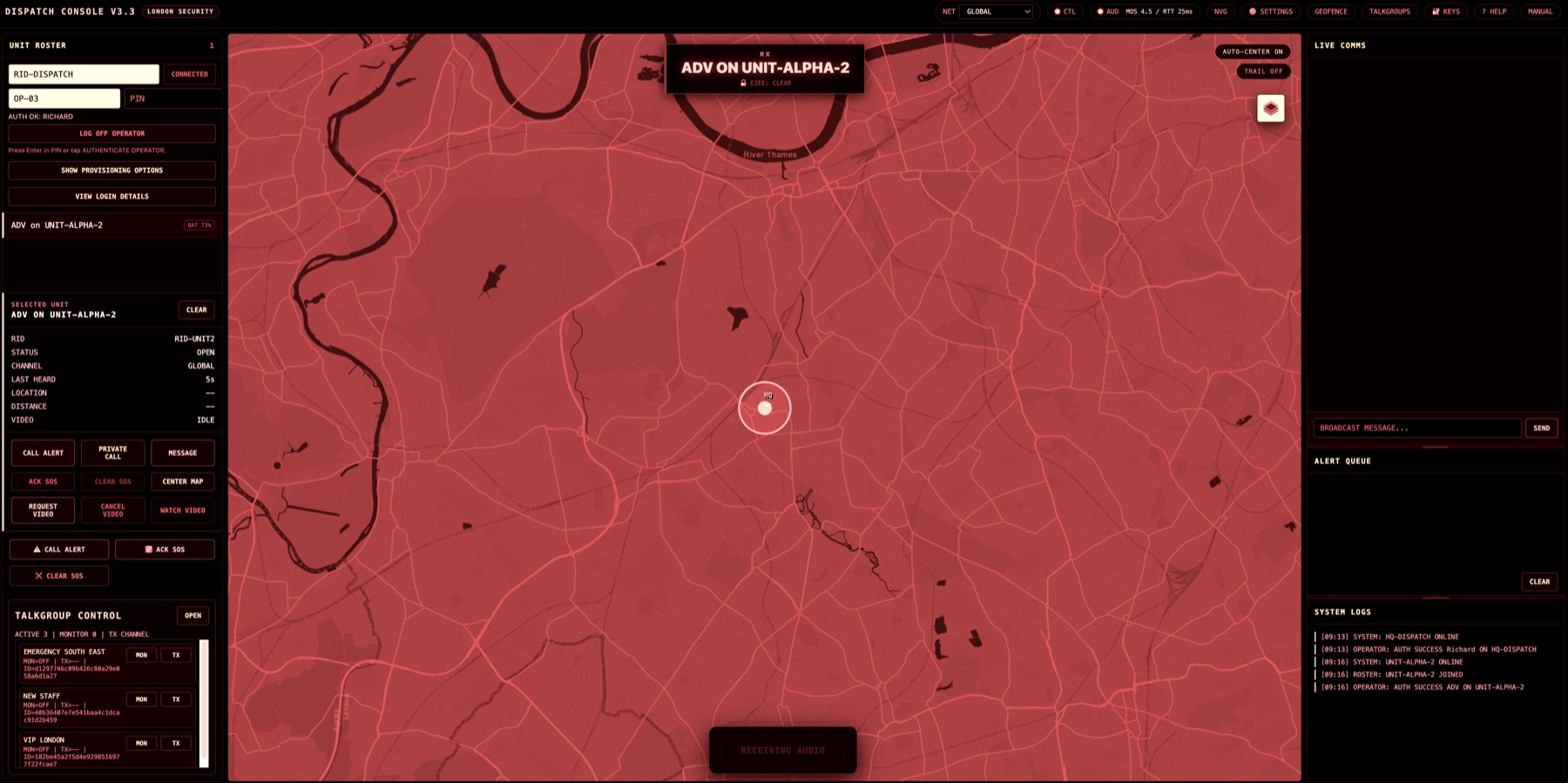
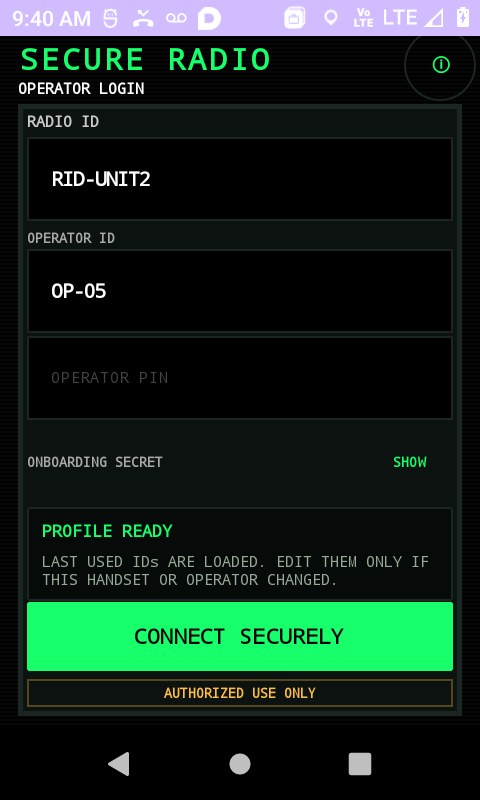
Secure Radio is not positioned as a generic chat replacement. The platform combines a field Android radio app, browser dispatch console, admin surface, mandatory operator authentication, QR-based provisioning, messaging, roster, map context, and operational telemetry.
The first self-service trial keeps the model intentionally small: one dispatch console, one mobile radio, one OPS channel, and one OPS talkgroup. That makes it easier to understand the product without forcing a prospect into a full fleet design on day one.
The buyer question
The useful question is not simply whether PoC can replace a radio. The better question is whether a team can get clearer live control than it has today. For some teams that means replacing phone calls and messaging apps. For others it means adding dispatch oversight to a field voice workflow. For others it means testing whether compact Android PoC devices can support a more accountable operating model.
Software pricing starts from £10 per named field user and £50 per dispatch seat, with Guided Evaluation, DMR gateway modules, and hardware handled separately.