From WhatsApp And Phone Calls To Controlled Operations
Consumer communication tools are convenient until the operation needs structure, accountability, dispatch, and role-based control.
7 min readUpdated 2026-05-11Public buyer guide
The workaround becomes the workflow
Many operations teams begin with tools that are already in everyone's pocket: phone calls, WhatsApp groups, generic push-to-talk apps, or informal chat channels. That is understandable. They are fast to start and require little setup. The problem is that the workaround slowly becomes the operating model.
Once that happens, the organisation can struggle to answer basic questions. Who is on duty? Which group is authoritative? Who heard the instruction? Which supervisor has the live picture? How does a new device join correctly? What happens when someone leaves the organisation?
What controlled communication adds
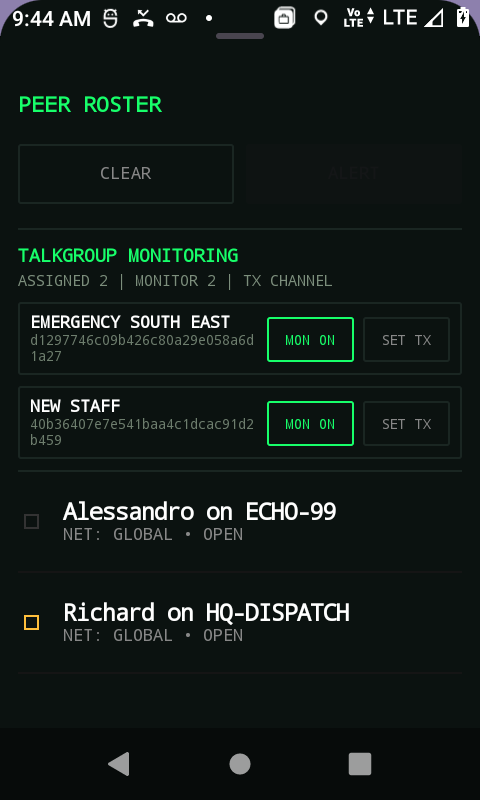
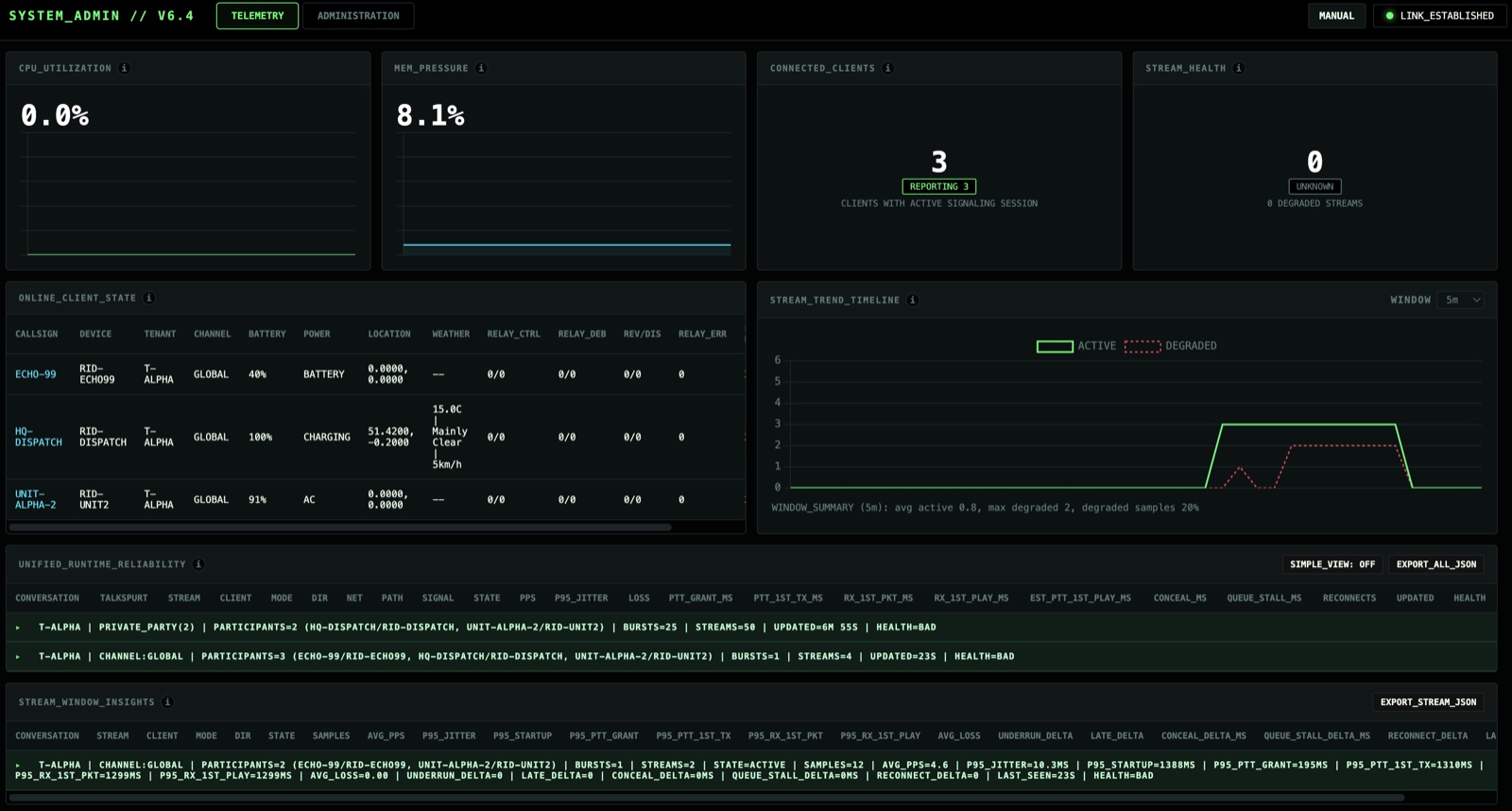
Controlled communication is not about making the team slower. It is about making the live workflow clearer. Secure Radio uses tenant-backed identities, operator authentication, dispatch and admin surfaces, QR-based setup, talkgroups, channels, roster, map, messaging, and operational telemetry to give teams more structure than a consumer chat group can provide.
The field user should still have a simple workflow. The structure should sit behind it: correct tenant, correct operator, correct talkgroup, correct dispatch view.
Field voice for fast operational contact.
Dispatch view for supervision and escalation.
Admin controls for tenants, operators, devices, and communication structure.
Trial onboarding that proves setup can be quick without hiding security.
Where this matters most
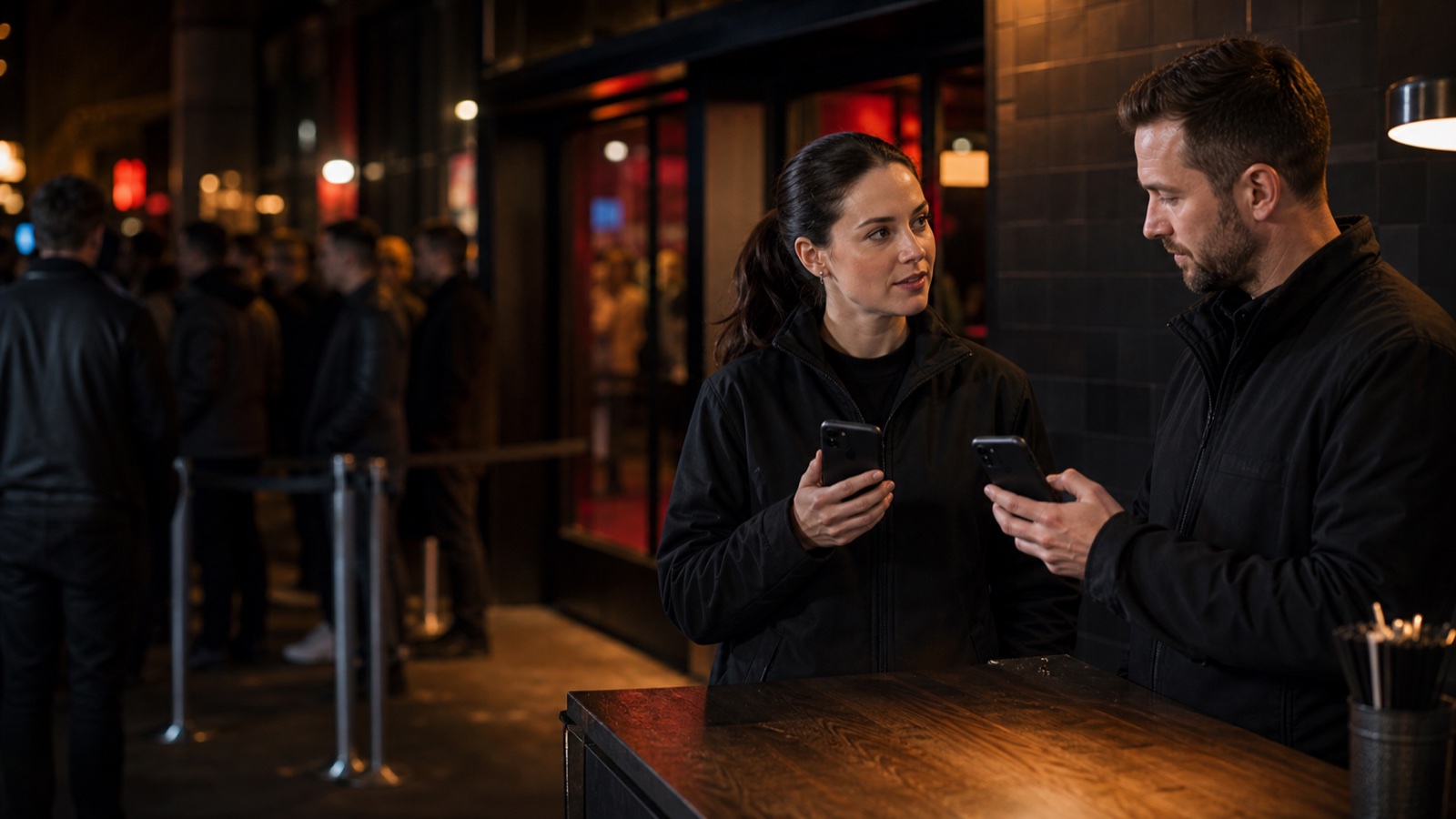
The need appears wherever the team is mobile and the work is public, time-sensitive, or safety-adjacent. Door teams, venue operations, event stewards, facilities teams, estates teams, rail station staff, airport operations, and campus duty teams all share the same risk: communication looks fine until the moment it needs to be accountable.
The goal is not to ban every informal channel. The goal is to give live operational communication a proper home.
How to start without a big project
Start with one workflow. Choose a team that currently relies on phone calls or chat during live coordination. Put one dispatch console and one Android radio into a trial. If the team can see how the work becomes clearer, the next decision is whether to extend the trial, run a Guided Evaluation, or plan a paid rollout.
What Operational Reliability Means For Modern Team Communications
Reliability is not a slogan. It means visible service status, monitored components, clear incident handling, and honest evaluation in the customer's own environment.